
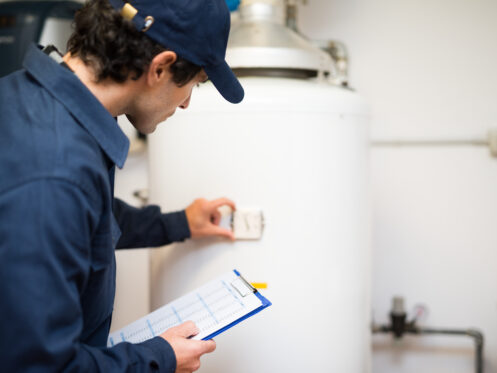
Water heaters are essential appliances that provide the hot water used for cooking, cleaning, bathing, and other everyday activities in modern homes. Most water heaters warm the water using a process that conducts heat through metal. Under normal circumstances, constant water exposure would eventually oxidize and rust the metal water heater. However, within every functional water heater is a tiny rod that helps protect the tank from rust and corrosion.
This little device is called the anode rod, the unsung hero of all hot water systems. Due to its central role, it is imperative to allow professionals to monitor, maintain, and replace the device when necessary. A comprehensive look at all aspects of the anode rod can help homeowners make informed decisions about servicing schedules for their water heater equipment.
What Is an Anode Rod?
The anode rod is a small metal baton that runs down the center of your water tank. It usually comprises a steel wire with metals such as aluminum, aluminum-zinc alloy, or magnesium wrapped around it. The type of metal chosen for your anode rod depends on the water heater manufacturer and your household’s needs. Magnesium anode rods are the most common and work well in homes with average water hardness. Aluminum anode rods are popular in areas with extremely hard water. Zinc anode rods are ideal for water heaters connected to copper plumbing systems since zinc may help galvanic corrosion.
Aluminum-zinc alloy rods can reduce rotten egg smells in water by lowering levels of hydrogen sulfide. Whether your anode rod uses aluminum, zinc, or magnesium, all three metals or alloys feature a more significant negative electrochemical potential than the surrounding metal of your water heater tank. As a result, the highly active metals of your anode attract particles like iron, calcium, limestone, and other minerals floating around in your water.
Without the anode, these minerals would otherwise rust the inside of your water heater tank. Some people call the anode rod the “sacrificial anode” because it gradually corrodes in place of your water heater. With proper maintenance, a high-quality water heater has a life expectancy of up to 20 years. However, because the anode rod “sacrifices” itself by taking on the corrosion, it typically needs replacement every three to five years. Additional factors like high water usage, high water temperatures, or extremely hard water can mean changing the anode every two years.
How Does an Anode Rod Work?
The water heater is a steamy environment with conductive heat and water, all held within a steel storage tank. These conditions create the perfect storm for rust, corrosion, and problems with pH balance. An anode rod slows the everyday occurrence of rust and corrosion using electrolysis. First, the metal wire on the anode attracts minerals in the water. As the rod begins to corrode, it releases electrons into the water. The higher the number of loose electrons, the water’s mineral composition changes.
Mineral composition slows down or prevents corrosion within the tank. And because it prevents rust from mixing into your water supply, the anode rod also helps uphold the quality of the hot water passing through your plumbing. However, all the corrosion attached to the rod eventually destroys the anode rod itself, and you will need to replace it with another rod. For this reason, the plumbing industry calls the anode rod the “sacrificial lamb” of water heating systems.
Why Are Anode Rods Important?
The anode rod is fundamental to the successful performance of your water heater. Acting as a buffer against minerals and sediment. Anode rods help reduce the risk of water heater failure. Some professionals estimate that an effective anode rod can double the life expectancy of a water heater. Without an anode rod, the destructive properties of rust can deteriorate the appliance and necessitate a replacement. As a significant appliance, replacing the water heater is costly and time-consuming.
Maintaining the anode rod and replacing this component when necessary is much more cost-effective. In addition, the anode rod helps conserve the quality of hot water. A missing or flawed anode rod can cause rusty or discolored water, rotten-egg smells, air in the lines due to corrosion, and inconsistent hot water throughout the home. The extra rust in the hot water can also affect metal faucets, fixtures, and drains. Maintaining a functional anode rod can help ensure the overall health of your water heating system.
What Causes an Anode Rod To Fail?
Because the anode rod corrodes instead of your tank, it is natural for the rod to deteriorate and become less effective over time. Certain factors can also accelerate this process. For example, water with high levels of chemicals like chlorides and sulfates can hasten corrosion. Anode rods too small for the water heater can also fail faster. For this reason, hiring a plumber to install rods of the correct size is always essential.
In addition, most water heaters require flushing during annual plumbing maintenance inspections. Finally, constant heating cycles and repeated expansion and contraction of the water heater tank cause an anode rod to deteriorate faster than expected.
What Are Signs of a Failing Anode Rod?
There are several signs that you must have a plumber inspect a failing anode rod. Typical signs include discolored water, reduced hot water output, sulfuric smells, cracks, and leakage around the water heater tank.
Rusty or Discolored Water
One of the unfortunate signs of a failing anode rod is brownish or discolored water coming from your faucets. This discoloration is a sign that the anode rod can no longer perform and the steel within your tank has begun to rust. Not only can rusty water damage other appliances, but allowing it to remain in the tank can contribute to potential cracks or leaks.
Reduced Hot Water Output
If you notice a decrease in available hot water or the output diminishes quickly, this could signify that the anode rod is no longer working. The rod attracts unwanted corrosive elements from the water, thereby neutralizing them so your appliance can heat water efficiently. Once the anode rod stops working, your water heater can lose the capacity to produce enough hot water.
Sulfuric Odors
Sulfuric or rotten egg odors can indicate a bad anode rod. Once the anode rod fails to prevent corrosion, the smell typically arises from bacterial growth in the tank. This smell can also occur when the anode rod no longer prevents an abundance of hydrogen sulfide in the water.
Cracks or Leakage
Leakage around the hot water tank clearly indicates a failing anode rod. Once an anode has failed, corrosive elements can begin to break down the tank’s walls. Broken tank walls can cause cracks and eventually require replacement.
Contact Us Today
The anode rod is the often-overlooked hero of traditional water heaters. Now that you know the importance of the anode rod, you can keep a close eye on this component to ensure optimal appliance performance. Hope Plumbing, Heating and Cooling provides anode rod and plumbing services for homes in Indianapolis and surrounding areas. In addition to anode rods, our plumbers can flush the water heater tank to remove sediment buildup, check the heating element, test the thermostat, and inspect for cracks or leaks. We can install new units and perform drain cleaning or pipe repair. Contact Hope Plumbing, Heating and Cooling today for all water heater and plumbing needs.