Indianapolis Drain and Sewer Experts
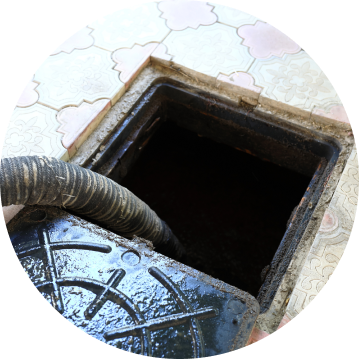
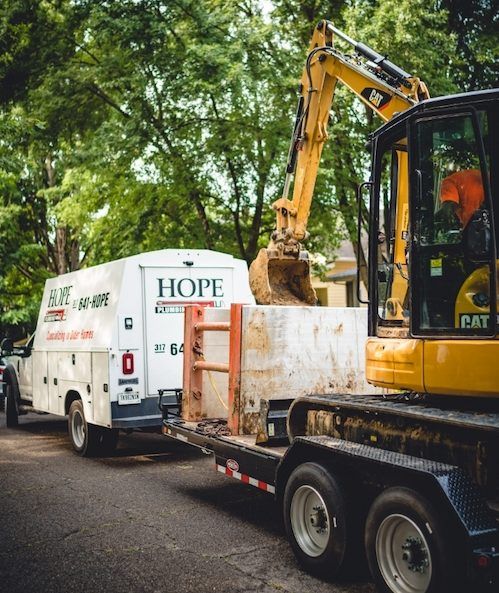
At Hope Plumbing, Heating and Cooling, our skilled plumbers have the tools, experience, and knowledge to handle all your drain and sewer emergencies. Whether you have a clog, or a tree root is growing through your sewers, we’ve got you covered! You can feel confident that our highly qualified professionals will have the right solutions for all your drain and sewer problems.Why Choose Us?:
- Specializing in Older Homes: Our experienced team understands the challenges of older homes, ensuring seamless drain and sewer solutions.
- Rheem Pro Plumber: As Rheem Pro Plumbers, we bring certified expertise to handle any drain or sewer service efficiently.
- Locally Owned & Operated: We offer personalized service with a commitment to the Indianapolis community.
- Friendly and Uniformed Plumbers: Our professional plumbers provide courteous and high-quality service every time.