
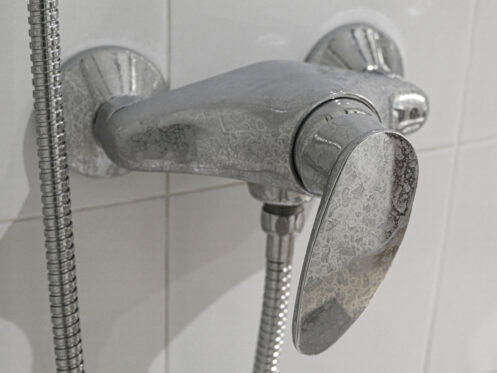
Why Hard Water Leaves a Mark
Hard water leaves behind mineral buildup, mainly calcium and magnesium. These minerals are naturally present in water, and while they won’t hurt your health, they settle quickly. When the water evaporates, they remain and form limescale. Over time, they harden and cling to fixtures, glass, and tile. If your faucets feel rough or your showerhead appears white and crusty, hard water is the reason. The minerals tend to bond to anything they can grip, and that includes the inside of pipes and fixtures where you can’t see them. If water flow slows or water sprays start to look uneven, the buildup might be clogging things inside your plumbing.Signs You’re Dealing With a Buildup
If your showerhead sprays in strange directions, it could be clogged with mineral deposits. If your dishwasher leaves spots on glasses or your washing machine smells musty, the same buildup could be collecting inside appliances. Mineral residue doesn’t just form outside, where you can wipe it away. It collects in narrow spots, like aerators, valves, and hose lines. If you’re cleaning your fixtures often and they still look dirty or feel gritty, that’s a red flag. When minerals settle in the same place day after day, they form a rough coating that becomes harder to scrub off. You may have to press harder or use stronger cleaners to get it to budge. If your once-shiny faucet has turned dull or powdery, or if white rings keep reappearing after you clean, you’re probably dealing with more than surface grime.How Water Temperature Plays a Role
Hot water makes the problem worse. When water heats up, the minerals separate faster and cling to nearby surfaces. That’s why you’ll often find heavier deposits around hot water taps and inside appliances that heat water, like kettles, dishwashers, and water heaters. If you take long showers with hot water, your showerhead might clog faster than the one in the guest bathroom. When you run hot water through your pipes throughout the day, the minerals start clumping up sooner. They settle faster, bond tighter, and dry harder. If your water heater hasn’t been flushed recently, it might be full of sediment that started as dissolved minerals. That buildup makes it harder for the appliance to do its job and adds pressure on the system.Why Soap Scum Gets Worse
The minerals in hard water affect how soap dissolves, which creates a cloudy film known as soap scum. Instead of rinsing clean, the mixture sticks to tubs, tiles, and sinks. That buildup might look like dirt, but it comes from the minerals reacting with your soap. If your hands feel dry after washing or your laundry comes out stiff, the water could be part of the problem. Even if you use softeners or rinse aids, the minerals stay behind and keep creating buildup. Some soaps work better in hard water, but if you’re already seeing buildup, changing products won’t solve the root issue. You might need to clean more often. That scum creates more than a visual problem. It can clog drains, leave rings in the tub, and make your bathroom harder to maintain.Cleaning the Mineral Layer From Faucets
When minerals form on a faucet, they usually collect at the tip or around the handle. If you try to turn the handle and it squeaks or resists, it could be rubbing against hardened limescale. If water sprays in different directions from the faucet head, the aerator might be clogged. The quickest fix is to soak that part in vinegar. Remove the aerator or nozzle, place it in a small bowl of vinegar, and leave it for an hour or more. The acidity in the vinegar helps dissolve the buildup, so you can scrub it clean with a soft brush. If the buildup feels stubborn, you should soak it overnight. Avoid scraping with metal tools, since that could damage the finish. If water pressure improves, the buildup is likely blocking the flow.How to Handle Showerhead Deposits
Showers take the hardest hit when hard water is a regular visitor. The spray holes on a showerhead clog easily, and once clogged, the water starts spraying sideways or stops reaching as far. A clogged head also makes your shower feel weaker, even if the pressure is normal. If the showerhead doesn’t detach easily, you can still clean it without removing it. Fill a plastic bag with vinegar and place it around the showerhead and secure it with a rubber band or string. Let it soak for at least an hour. Once the mineral buildup loosens, take a soft toothbrush and scrub gently around the nozzles. Run the water to flush out any loosened particles. If that doesn’t help, you might need to remove the showerhead for a deeper clean. Hard water doesn’t only coat the surface. It sneaks inside and clogs the narrow channels that feed the water through the spray holes.Preventing Damage in the Long Run
Even though mineral buildup can be wiped off fixtures, it causes hidden damage. Over time, deposits can wear out internal valves, clog pipes, or reduce appliance efficiency. If your dishwasher or washing machine keeps needing repairs, hard water might be contributing. Fixing the buildup early makes it easier to avoid larger issues. The more buildup that collects, the more pressure it adds to your plumbing system. That pressure makes parts wear faster and increases the chances of small leaks forming around fixtures or joints. Some people try to tackle the issue with harsh chemicals, but those can do more harm than good. If the finish on your faucet is already worn down, chemical cleaners might strip it further.When to Consider a Water Softener
If you’re tired of scrubbing the same spots every week, it might be time to look at your water. A water softener can help remove some of those minerals. Instead of sticking to your fixtures, they get neutralized minerals before they can do any damage. A softener does not remove every mineral from your water, but it interrupts the cycle enough to keep buildup from forming as quickly. You’ll still need to clean your fixtures, but the task becomes easier and less frequent. Showers feel better, laundry comes out softer, and dishes rinse more cleanly. Installing a water softener involves a few decisions, like the size of the unit and where to place it. If you’re not ready to commit, there are also smaller filtration systems designed for specific taps or appliances.Schedule Your Next Plumbing Service
Hard water buildup is more than a cosmetic problem. Left unchecked, it can shorten the lifespan of your fixtures and affect how your plumbing system works. A little routine care goes a long way toward protecting your sinks, tubs, and faucets. For deeper deposits, water pressure issues, or advice on filtration upgrades, Hope Plumbing, Heating and Cooling can help. Call us today to schedule your next plumbing service.
Meet the Author