
Understanding Electrical Faults: Ground Faults vs. Short Circuits
A basic electrical fault happens when electricity takes an unintended path, which can create a hazard, damage equipment, or even start a fire. These faults disrupt your electric power quality, trip your breaker box, or blow a fuse. Both ground faults and short circuits fall under this umbrella, but they work in very different ways. One involves leakage to the ground, and the other causes excessive current to flow. Knowing the difference is crucial to keeping your home safe.What Is a Ground Fault? Causes and Risks
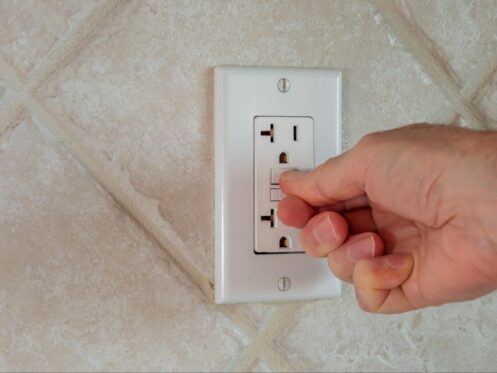
A ground fault occurs when electricity strays off its intended path and finds a shortcut to the ground. This happens when a hot wire (a live wire carrying current) touches a metal surface or grounded part of an appliance or structure. This type of fault is risky because the electric power can run through things it shouldn’t — like your sink, appliances, or even you. Since water is a great conductor, areas like your kitchen, bathroom, basement, laundry room, or anywhere near a swimming pool are high-risk zones. That’s where a ground fault circuit interrupter (GFCI) is essential to shut things down before a shock can happen.Common Signs of Ground Faults
Spotting a ground fault early can keep your equipment safe and prevent injury. Here are some telltale signs:- Frequent Tripping of GFCIs: If your ground fault circuit interrupter keeps shutting off, it’s likely doing its job detecting a current leakage. It’s trying to stop a dangerous electric arc from harming you or your appliances.
- Burning Smells or Scorched Outlets: When electric power escapes its path, it creates heat. That heat can scorch your receptacle, melt a switch, or even cause a small fire behind your junction box.
- Buzzing or Humming Noises: Hearing strange sounds near your electrical wiring or outlets? A ground fault might be creating an arc flash, which generates a low-level buzzing. This is never a good sign.
- Mild Shocks When Touching Appliances: If you get zapped when touching your laundry machine or kitchen oven, that might be stray electricity leaking through a fault. Stop using it and call an electrician.
- Appliances Behaving Weirdly: Flickering lights, flashing buttons, or spontaneous resets? That’s often a sign the electrical load is being disrupted by a ground issue or moisture inside the device.
What Is a Short Circuit? Causes and Risks
Now, let’s flip the switch and look at short circuits. A short circuit happens when a hot wire touches a neutral wire or another hot wire, causing a sudden, massive flow of electric power. This spike in ampere overloads the system and trips your circuit breaker in a flash. Unlike ground faults, which involve a diversion to the ground, short circuits are more of a head-on crash in the electrical wiring. We’re talking about a high-speed surge where the current doesn’t meet any resistance. That means it can generate extreme heat, melt wires, or start an arc fault that leads to dangerous fires.Common Signs of Short Circuits
Short circuits don’t like to keep quiet, and they tend to leave a dramatic trail behind. Keep an eye (and nose and ears) out for these red flags:- Sudden Breaker Trips: When a circuit breaker trips the moment you flip a switch or plug something in, that’s a classic sign. The breaker is cutting power to avoid a major fire or system failure.
- Black Marks on Outlets or Plugs: A short circuit can create a burst of heat that scorches your outlet or melts the plug. That charred look is your warning signal to stop using it immediately.
- Loud Popping or Cracking Sounds: These aren’t friendly sparks — they’re signs of electric arcs happening inside your junction box or outlet. It’s loud because the current is jumping through the air.
- Flickering Lights That Go Out Fast: A short often causes lights to flicker wildly before shutting off entirely. That’s because the power surge is overwhelming the voltage limit.
- Burning Plastic Smell: The intense heat can melt the insulator around your wires, leaving behind a nasty burnt odor and a dangerous mess inside the box.
Key Differences Between Ground Faults and Short Circuits
So, what makes the short circuit vs ground fault debate worth understanding? It’s all about how and where the electricity goes rogue. A ground fault is electricity leaking into the ground, leading to shock risks. A short circuit, on the other hand, is electricity taking a shortcut through the wrong wire, usually causing instant overloads and potential fire. Both are dangerous, but they require different troubleshooting methods and safety devices.Preventing Electrical Faults in Your Home
The best way to protect your home and loved ones? Get proactive. Install ground fault circuit interrupters in all high-moisture areas like the kitchen, bathroom, laundry, and basement. Keep AC power plugs and sockets dry and off countertops where spills are common. Upgrade your distribution board with surge protectors, use extension cords responsibly, and never overload a receptacle or power strip. Schedule regular maintenance and ask a licensed electrician in Indianapolis to check your electrical load, equipment, and wiring for signs of wear or other hazards.When to Call a Licensed Electrician
Fixing an electrical fault is not a DIY job. If you smell something burning, hear strange sounds, or experience frequent electrical resets and failures, it’s time to pick up the phone. Only a trained electrician can safely test your voltage, replace faulty equipment, and handle high-voltage lines or transformers. Especially if you’re experiencing recurring ground faults or short circuits, don’t wait for a bigger issue to spark a disaster. Call in a pro before the damage spreads or someone gets hurt. Better safe than sorry — and way cheaper than replacing your entire electric power system.Stay Safe with Hope Plumbing, Heating and Cooling
At the end of the day, electrical safety is too important to gamble with. Whether you’re dealing with flickering lights, weird appliance behavior, or that burning smell you really shouldn’t ignore, Hope Plumbing, Heating and Cooling is excited to help you power through it all safely. Our licensed experts are trained in all things electric power. We’ll inspect your distribution board, identify sneaky faults, and keep your home buzzing the way it should with confidence, clarity, and care. Ready to flip the switch on worry? Schedule an electrical inspection in Indianapolis today!
Meet the Author