
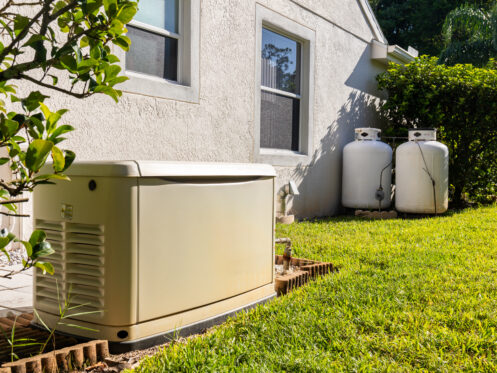
Backup standby generators don’t require manual intervention to turn on when the power goes out. However, they’re not set-it-and-forget-it appliances, either. They still need routine inspections and checks at least once a year. Professional maintenance is necessary to ensure that your generator works safely and optimally.
Without it, the unit might not work properly when you need it most. This guide offers valuable information about why you need to stay on top of backup generator maintenance. It’s essential even if the machine is relatively new, or you believe it’s already working correctly.
1. Prevent Unexpected Generator Failure
Generators are designed to provide backup emergency power, so homeowners don’t necessarily use them frequently. When they’re left unused for long periods, they can develop serious issues. For example, lubricants on components can lose their effectiveness, fuel can degrade, or batteries can lose their charge. You don’t want to suddenly discover these problems when you’re expecting your unit to turn on. This means being without reliable power and having to call us for an emergency appointment.
Don’t take chances by assuming that your generator will work during storms and emergencies, especially if you haven’t used it in a while. This is particularly crucial if there are kids, pets, health-compromised individuals, pregnant women, or seniors in the home. Generator reliability is vital. Maintenance allows technicians to conduct a complete inspection, identify minor problems, and make the appropriate repairs before outages occur. If our technicians give the all-clear, you can feel confident the unit will turn on the next time you need it.
2. Improve Generator Performance and Efficiency
Regular generator maintenance can improve the appliance’s fuel efficiency, safety, and overall performance. Well-maintained generators are more capable of handling heavy electrical loads, which is ideal for simultaneously running appliances like HVAC systems and water heaters. A unit that’s functioning correctly generally allows you to continue your daily routines without disruption.
Without comprehensive maintenance, common issues such as dirty filters and worn parts can reduce performance. This means that your generator may not function properly, if at all, when you need it. It could be especially dangerous for heat- or cold-sensitive individuals and those who have certain medical conditions. Regular maintenance promotes consistent, safe operation.
3. Extend the Lifespan of the Generator
Backup generators typically have a lifespan of 15 to 30 years. However, several factors, such as the usage frequency and installation quality, influence how long they last.
Maintenance helps protect your investment in the long term. It offers many benefits to help extend your system’s lifespan, including reducing strain on components and preventing premature wear and tear. This can help reduce the frequency of costly repairs. Keeping up with annual regular maintenance tends to be much more cost-effective than paying for major fixes or replacing the system.
4. Protect Your Home and Family During Power Outages
Some homeowners install backup generators for specific reasons, such as ensuring that lifesaving medical equipment continues to run. Others just want to make sure they have reliable backup power, especially if they live in areas with frequent outages.
Maintenance ensures that your system will turn on automatically and continue to function properly during unexpected outages. Regardless of the reason, well-functioning systems improve comfort and safety. They’re particularly beneficial during extreme summer and winter temperatures when you need your HVAC system to run without disruption.
5. Catch Safety Issues Early
Regular professional standby generator service allows technicians to identify safety risks early. When left unaddressed, certain issues, such as electrical problems and fuel leaks, can become dangerous for your home and well-being. Malfunctioning systems also put your home at a higher risk for carbon monoxide hazards. Our team conducts comprehensive generator inspections that assess all its components, checking for and addressing any problems. We’ll also test your system to ensure it’s ready to run properly.
Before leaving, we’ll inform you of our findings. If necessary, we’ll recommend repairs, which we suggest scheduling promptly. This is particularly important when storm season is fast approaching, and your home is no stranger to outages. Fast repairs also keep issues from escalating into severe problems that are expensive to resolve.
What Happens During Professional Generator Maintenance
Learning what’s on a professional generator maintenance checklist can help you have a better understanding of just how the process works. Oil and filter changes are crucial to reduce engine wear. We also conduct battery testing and inspections to verify that the generator will start and operate correctly when you need it.
We take the inspections and testing even further to include your fuel system. By checking for issues like leaks, we ensure you have a consistent fuel supply that your generator can depend on. Electrical connection testing is another task on the list. This allows us to pinpoint connections that are loose, corroded, or damaged and can affect the generator’s performance.
We also perform full start-up and load testing, which confirms that the appliance can fully supply power if an outage occurs. A professional generator maintenance appointment is also a good opportunity to ask us for information, such as how to extend your appliance’s lifespan. You can also bring us any specific concerns that you have about your generator’s performance.
Signs Your Generator May Need Service
It’s crucial to recognize the warning signs that your generator needs professional service. This allows you to contact us early for assistance before the problems worsen. If your generator has trouble starting or won’t turn on at all, these are clear indicators of a problem. Additional signs include unusual noises or vibrations, strange odors, warning lights, and error messages.
If it’s been a year or more since you’ve had generator maintenance, it’s time to schedule an appointment. Delaying home generator service can increase the risk of breakdowns and system failures.
Never attempt to fix a generator on your own, as this could result in several issues. You might accidentally make the problem worse or void the manufacturer’s warranty. Many warranties include fine print stating that only professional technicians may work on the system. If the generator’s warranty becomes void, you might have to pay for future service costs out of pocket. There’s also a significant electrical hazard, including the possibility of electrical shock and burns.
Don’t Wait Until the Power Goes Out
Some homeowners wait to schedule generator maintenance until they notice a problem. Being proactive by booking preventive maintenance now will prepare your generator to provide reliable backup power when you need it. Routine maintenance also improves safety and performance while extending your appliance’s lifespan.
Contact Hope Plumbing, Heating and Cooling in Indianapolis, IN today to schedule generator maintenance at your home.