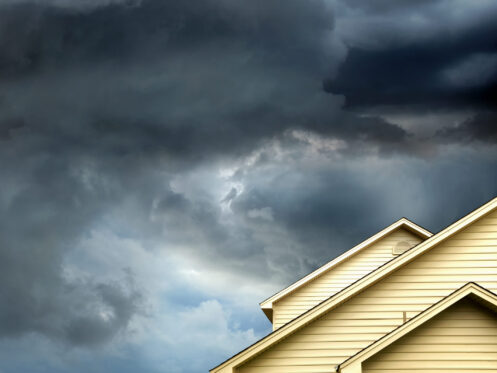
Storm season can bring more than strong winds and heavy rain. It can also place stress on your home’s plumbing system. When large amounts of water enter the ground, drains and sewer lines work harder. Preparing your plumbing can reduce the risk of backups, flooding, water damage, and costly repairs.
Many homeowners prepare roofs, windows, and landscaping before storms. Plumbing deserves the same attention before heavy rainfall arrives. A few warning signs can show where your home may be vulnerable. Hope Plumbing can help inspect plumbing before storm conditions create bigger problems.
Why Storm Season Can Put Extra Stress on Your Plumbing System
Heavy rainfall increases water moving through municipal drains, storm drains, and sewer lines. When those systems are overwhelmed, residential plumbing may feel the effects. Ground saturation can also create problems around underground pipes. Wet soil may shift, settle, or place added pressure on plumbing lines.
Storms can expose weaknesses that stay hidden during normal weather. Minor drainage issues can become more obvious during heavy rainfall. Aging plumbing components may also struggle when large volumes of water move through the system. That makes storm preparation important before severe weather arrives.
Common Plumbing Problems Caused by Heavy Rainfall
Several plumbing problems can appear during heavy rainfall. Slow drains may get worse when nearby systems handle higher volumes. Water may take longer to move away from sinks, tubs, or basement drains. Basement water intrusion is another concern during prolonged rain.
Sewer backups can happen during severe storms. When sewer systems are overloaded, wastewater may struggle to flow away from the property. Outdoor drainage problems can also develop quickly. Yard pooling may point to clogged drains or poor grading near the home.
How Flooding Can Affect Drains, Pipes, and Sewer Lines
Flooding creates more problems than standing water. Excess water can place pressure on underground plumbing infrastructure. Sewer lines and drain pipes may experience added stress. Debris carried by floodwater can also create blockages.
Mud, leaves, sediment, and other materials can enter drainage systems. These materials may restrict water flow and slow drainage. Flooding can also reveal cracks, weak joints, or aging materials. In severe cases, backups can create sanitation concerns inside the home.
Signs Your Plumbing May Be Vulnerable Before a Storm
Many plumbing systems show warning signs before major problems develop. Slow drains often point to partial blockages. Frequent clogs may suggest deeper issues in the plumbing system. Sewer odors from drains can also signal poor wastewater flow.
Water pooling around outdoor drains needs attention before heavy rain. Standing water may indicate poor drainage or blocked drain paths. Lush grass patches or recurring wet spots may suggest hidden leaks. These signs are worth checking before storm conditions arrive.
Why Sump Pump Maintenance Matters During Storm Season
A sump pump is a key defense against basement flooding. When groundwater rises, the pump removes excess water from the sump pit. It helps move water away before it enters living spaces. However, it must be working before the storm arrives.
Many homeowners do not think about the sump pump until it is needed. That is the worst time to discover a failure. Maintenance verifies that the pump activates and discharges water correctly. Backup power may also help during storm-related outages.
How To Check Outdoor Drains and Gutters Before Heavy Rain
Outdoor drainage systems help protect the home from water intrusion. Gutters should direct water away from the roof and foundation. Leaves, twigs, and debris can restrict flow. That can cause water to overflow near the home.
Downspouts should discharge water away from the foundation. Outdoor drains should stay clear of sediment and debris. Blocked drains can struggle during heavy rainfall. Areas where water pools often need attention before storms intensify.
Also, check that splash blocks and drain extensions remain in place. Heavy winds and yard work can move them. If water flows back toward the house, drainage may need to be corrected. Small exterior fixes can reduce the risk of indoor flooding.
Steps To Help Prevent Basement and Crawl Space Flooding
Cleaning gutters and downspouts reduces water near the foundation. Proper grading helps move water away from the structure. Basement walls and crawl spaces should be checked for signs of moisture. Small leaks can become worse during heavy rain.
Testing the sump pump before storm season can provide peace of mind. The pump should activate and move water away from the home. Store valuables away from flood-prone areas. These steps are easier before water enters the home.
When To Schedule a Professional Plumbing Inspection
Professional inspections can identify issues that homeowners may overlook. Our team can evaluate drains, sewer lines, sump pumps, and plumbing concerns. We can also look for vulnerabilities that may worsen during heavy rainfall. Older homes and properties with drainage problems benefit from inspections.
Schedule service if you notice slow drains or recurring clogs. Sewer odors, standing water, or sump pump concerns also deserve attention. A plumbing inspection can help you prepare for severe weather. It can also reduce the chance of surprise storm damage.
Preparing Your Plumbing System Before the Next Storm
Storm season places real demands on plumbing systems. Preparing early can help reduce water damage and unexpected emergencies. Hope Plumbing has provided plumbing services in the Indianapolis area since 2007.
Our team can inspect drains, sump pumps, sewer lines, and other storm-related concerns. We can also recommend repairs before heavy rainfall exposes weak points. Preparation now can make storm season less stressful. It can also help protect your home from avoidable water damage.
Contact Hope Plumbing in Indianapolis today to schedule plumbing service before the next storm.
FAQs About Storm Season Plumbing Preparation
Storm season can raise questions about drains, sump pumps, sewer lines, and water around the home. Knowing what to watch for can help you respond before small issues turn into larger plumbing problems. These FAQs cover common concerns homeowners may have before or after heavy rainfall.
Heavy rain can overwhelm drains, sewer lines, and outdoor drainage areas. It can also increase pressure around underground pipes. These conditions may expose existing plumbing weaknesses. They may also create backups, slow drains, or water intrusion.
Common storm-related issues include slow drains, sewer backups, and basement flooding. Homeowners may also notice standing water around the property. Outdoor drains can clog with debris or sediment. Sump pump failures can also appear during or after storms.
A ready sump pump should activate when water enters the pit. It should also discharge water away from the home. The discharge line should be clear and properly positioned. A plumber can inspect the pump before heavy rainfall arrives.
Call a plumber if you notice slow drains, sewer odors, or recurring clogs. Drainage problems and standing water near the home also matter. You should also call if your sump pump fails or runs constantly. Early service can help prevent larger storm-related plumbing problems.