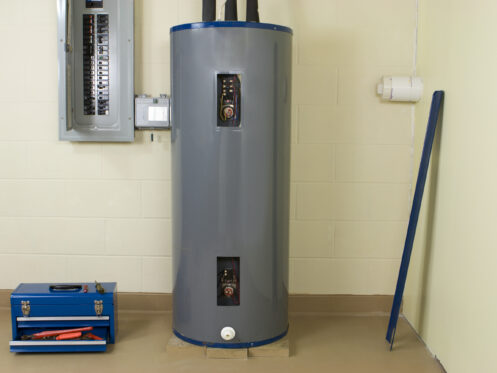
Colder weather in Indianapolis, IN can place extra demand on your water heater. Your system may work harder as incoming water temperatures drop. Fall is a smart time to address age, performance, and reliability concerns. At Hope Plumbing, Heating and Cooling, we help homeowners evaluate an aging water heater before winter demand increases.
Repair may make sense when the issue is minor and the system is newer. Replacement may be better when the tank leaks, efficiency drops, or breakdowns keep returning. The right choice depends on age, condition, repair costs, and household hot water needs.
Why Water Heater Problems Often Show Up Before Winter
Water heater problems often become easier to notice before winter. Incoming water can be colder, so the system needs more energy to heat it. Your household may also use more hot water during colder months. Longer showers, extra laundry, and holiday guests can all increase demand.
Existing problems may become more obvious under that heavier workload. Sediment buildup can reduce heating performance inside a tank. Thermostat issues, burner problems, heating element wear, or ignition trouble can also affect recovery.
Signs Your Water Heater May Only Need a Repair
Your water heater may not need replacement every time performance changes. Thermostats, valves, igniters, pilot assemblies, and heating elements can sometimes cause noticeable problems. Sediment can also reduce performance without meaning the tank has failed.
- Limited hot water supply
- Longer recovery time
- Small valve problems
- Pilot light or ignition issues
- Sediment-related performance changes
These signs usually deserve prompt attention, especially before winter. They do not always mean your system is near failure. We can explain whether water heater repair is reasonable for your specific system.
Signs Replacement May Be the Better Choice
Some warning signs point more strongly toward replacement. A leaking tank is one of the clearest examples. Rusty hot water, severe corrosion, recurring breakdowns, and major efficiency loss also matter. Repair costs that keep rising can make replacement an easy decision.
- Frequent breakdowns
- Visible tank leaks
- Rusty or discolored hot water
- Rising energy costs
- Advanced system age
A repair might buy a little time, but repeated service calls can add up. That money may be better applied toward new equipment. This is especially true for an aging water heater with several warning signs.
Consider the Age of the Water Heater
Age is not the only factor, but it matters. Many traditional tank water heaters last around 8 to 12 years. Some last longer with maintenance, water quality support, and lighter use. Others fail sooner because of corrosion, heavy demand, or installation conditions.
If your unit is over 10 years old, compare repair plans carefully. A minor repair may still make sense if the tank looks sound. However, major repairs on an older system may not be worthwhile.
At Hope Plumbing, Heating and Cooling, our plumbers look at the whole system. We consider age, condition, leaks, recovery, fuel type, and your household demand.
Compare Repair Costs Against Replacement Value
Repair cost should be compared with replacement value. A single small repair may be reasonable on a newer water heater. Several repairs in one year can tell a different story. Rising utility costs can also change the math.
An older, inefficient heater may use more energy than a newer model. It may also recover slowly or fail during busy periods. If repairs are frequent, a professional water heater replacement may offer better long-term value.
Watch for Leaks Around the Tank
Leaks around a storage tank need quick attention. Some leaks come from valves, fittings, or plumbing connections. Those issues may be repairable if the tank itself remains intact. A plumber can determine where the water is coming from.
Leaks from the tank body are different. Once the tank begins leaking, replacement is usually the safest option. Tank corrosion often develops after the anode rod loses protective value. If the leak is causing standing water or immediate property damage, Hope Plumbing also provides emergency plumbing services in Indianapolis.
Pay Attention to Hot Water Supply and Recovery Time
Hot water supply is a useful clue. Notice whether showers turn cold faster than they used to. Also watch how long the system takes to recover afterward. Slower recovery may point to sediment, thermostat issues, or equipment wear.
Track patterns before calling for service. Does hot water run out during laundry or dishwashing? Does one shower affect the next person’s comfort? Those details help a plumber identify repair needs or sizing problems.
Factor in Winter Household Demand
Winter often changes how families use hot water. Showers may run longer, and incoming water may be colder. Holiday visitors can add back-to-back bathing, laundry, and dishwashing. These demands can expose a system that is already struggling.
If your current heater barely keeps up now, winter may make issues worse. A larger tank may help some households. A tankless water heater may suit others when properly sized. Your home’s plumbing, fuel type, and usage patterns should guide the decision.
Energy Efficiency and Monthly Utility Costs
Older water heaters can lose efficiency over time. Sediment, aging parts, and outdated technology may increase operating costs. You may still get hot water while paying more to produce it. That makes utility bills part of the repair-or-replace conversation.
New equipment may lower energy use, depending on the model and your habits. Tankless systems can be efficient because they heat water on demand.
Tank vs. Tankless Replacement Options
Tank-style water heaters offer familiar performance and predictable installation needs. They store hot water and refill after use. Tankless systems heat water as it flows through the unit. They can provide continuous hot water when sized and installed correctly.
Tankless systems may save space and improve efficiency in some homes. However, they may need venting, gas line, electrical, or plumbing updates. Comparing traditional and tankless water heaters can help you understand which option may better fit your household.
Why Fall Is a Smart Time to Decide
Fall gives you time to make a measured decision. Scheduling may be easier before winter emergency calls increase. You can compare repair and replacement options without rushing. You can also prepare before holiday guests arrive and colder weather sets in.
This timing matters most when the system already shows warning signs. Strange noises, rusty water, weak supply, or leaks should not wait. Addressing concerns early can reduce emergency surprises. It can also help protect comfort when hot water matters most.
Why Professional Inspection Matters
Water heaters involve plumbing, fuel sources, electricity, venting, and safety controls. A professional assessment can identify risks that are easy to miss. Proper sizing also matters for comfort and efficiency. Installation must follow code requirements and manufacturer instructions.
Our plumbers check connections, valves, venting, fuel type, electrical needs, and system condition. We also review whether repair can safely restore performance. If replacement makes more sense, we explain your options. Hope Plumbing provides professional plumbing repairs in Indianapolis and surrounding communities.
In Closing
Repair may make sense for minor issues on a newer, efficient water heater. Replacement is often better for older, leaking, inefficient, or repeatedly repaired systems. Fall gives you time to decide before winter demand increases. Hope Plumbing, Heating and Cooling can help you evaluate your aging water heater in Indianapolis, IN.
Contact Hope Plumbing, Heating and Cooling today to schedule a water heater inspection, repair, or replacement in our Indianapolis service area.