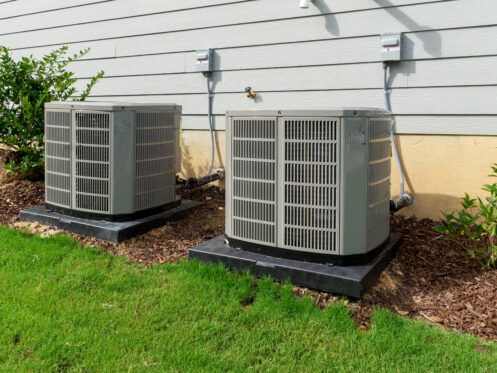
Many homeowners planning HVAC upgrades in 2026 are discovering that the industry looks very different from what it did only a few years ago. Air conditioners and heat pumps now use new refrigerants, updated components, and safety standards that were not present in older systems. One of the biggest changes involves the transition from R-410A refrigerant to newer options like R-454B.
While the average homeowner may never see the refrigerant inside an HVAC system, this shift still matters. The change affects how manufacturers build equipment, how technicians install systems, and how homeowners approach future repairs and replacements.
Why the HVAC Industry Is Changing Refrigerants
The HVAC industry is moving towards systems with lower environmental impact while maintaining the same reliable comfort homeowners expect. This transition away from R-410A unfolded over several years, driven by changes in federal environmental policy and regulations.
The American Innovation and Manufacturing Act, commonly called the AIM Act, created a phased reduction of refrigerants with high global warming potential. Global warming potential measures how strongly certain gases contribute to climate change compared to carbon dioxide.
For years, R-410A served as the standard refrigerant for residential cooling systems. It replaced older refrigerants that harm the ozone layer. Although R-410A improved ozone protection, it still carried a relatively high environmental impact due to its global warming potential.
Newer refrigerants, such as R-454B, significantly reduce that impact, while still supporting reliable cooling performance. Manufacturers began redesigning residential HVAC systems to meet the updated standards before the official transition deadline arrived. In 2026, the shift to lower-GWP refrigerants has already become standard across most newly manufactured residential systems.
What Is R-454B and How Is It Different?
R-454B provides cooling performance similar to R-410A while greatly lowering environmental impact. The biggest difference between the two refrigerants involves their global warming potential ratings.
R-410A carries a GWP of about 2,088. R-454B has a GWP of 466. That reduction allows manufacturers to comply with current environmental regulations while still delivering dependable home comfort.
For most homeowners, everyday operation will feel the same. Systems using R-454B still cool homes efficiently, maintain indoor temperatures, and operate through standard thermostats. However, the refrigerant itself required major engineering updates behind the scenes.
- Compressors
- Refrigerant lines
- Indoor coils
- Outdoor coils
- Safety controls
- Detection systems
These updates help modern HVAC systems operate safely and efficiently with the newer refrigerant technology.
What This Means for New HVAC Systems in 2026
Homeowners shopping for HVAC systems in 2026 may notice that contractors discuss updated codes, revised installation procedures, and newer equipment requirements more often than before. That is because modern R-454B systems follow different engineering and safety standards than older R-410A systems. The transition affects several parts of the installation process.
- Refrigerant handling
- Ventilation requirements
- System charging procedures
- Leak detection standards
- Equipment placement
Manufacturers also redesign system components to handle the properties of the new refrigerant. Because of these changes, homeowners can’t simply convert an existing R-410A system to R-454B refrigerant.
Do You Need to Replace Your Current System?
Many homeowners worry that the refrigerant transition means older systems will suddenly become unusable. That isn’t the case. If your current HVAC system still operates properly, you can continue using it.
- Operation
- Service
- Maintenance
- Repairs
There is no federal requirement forcing homeowners to replace functioning systems because of the refrigerant change. However, long-term ownership costs may increase over time.
As the industry fully transitions away from R-410A equipment, refrigerant supply may gradually decrease. That reduction could eventually increase repair costs for older systems that develop refrigerant leaks or major component failures.
Are R-454B Systems More Efficient?
Some homeowners expect dramatic efficiency gains from R-454B alone. In reality, the biggest performance improvements usually come from advancements in overall HVAC technology. Modern systems now include features that older equipment often lacked.
- Variable speed compressors
- Multi-stage cooling
- Improved airflow control
- Smarter thermostat integration
- Enhanced humidity management
What About Safety Concerns?
One topic receiving significant attention involves the safety classification of R-454B refrigerant. R-454B belongs to the A2L category of refrigerants. These refrigerants are mildly flammable under very specific conditions.
The term “flammable” often creates concern for homeowners, but manufacturers manage the real-world risks through modern engineering standards and updated ventilation. When used according to specific guidelines, R-454B refrigerant is safe.
- Leak detection systems
- Updated ventilation requirements
- Improved installation standards
Will New HVAC Systems Cost More?
Many homeowners replacing HVAC systems in 2026 may notice higher installation costs compared to previous years. Several industry-wide factors contribute to those increases.
- New equipment designs
- Updated manufacturing processes
- Regulatory compliance
- Safety testing
- Technician certification programs
Homeowners should also consider long-term value when comparing system pricing. Newer systems often provide better efficiency, improved comfort, and stronger compliance with future environmental standards.
How This Affects Spring 2026 HVAC Decisions
Spring remains one of the best times to schedule HVAC replacement projects. Homeowners who plan early often gain more flexibility with equipment selection and installation scheduling.
Waiting until peak summer demand arrives can create longer scheduling delays and added stress during extreme heat. Homeowners with older systems should pay attention to warning signs that it’s time to replace their air conditioners.
- Rising energy costs
- Uneven cooling
- Frequent repairs
- Weak air flow
- Unusual noises
- Humidity problems
If your system is failing or nearing the end of its lifespan, newer replacement systems will likely use R-454B refrigerant. It’s important to compare efficiency ratings, and not just the price tags. Working with us ensures you choose the right equipment for future compliance.
Common Homeowner Misconceptions About the Transition
There remains a lot of confusion around the refrigerant change. We believe it’s important to dispel the myths and want our customers to understand what these changes really mean. Here are some of the most common myths regarding the switch to R-454B refrigerant.
Myth: I have to replace my system immediately.
Reality: Existing systems can still be serviced and operated.
Myth: R-454B systems cool differently from older systems.
Reality: Cooling performance is very similar to previous refrigerants.
Myth: The new refrigerant is dangerous.
Reality: R-454B is safe when installed and serviced according to current standards.
Myth: Buying older equipment now is the better option.
Reality: Older systems may become more expensive to maintain over time.
A New Standard, Not a Problem
The shift to R-454B refrigerants marks a major milestone for the HVAC industry, but homeowners should view the transition as a promising evolution rather than a problem. Modern HVAC systems still focus on the same goals homeowners have always wanted, including reliable heating and cooling and energy efficiency.
If your old system is still working, there’s no rush to make a change. However, if you’re planning a spring upgrade, we can help. Hope Plumbing helps homeowners navigate these changes with expert guidance and professional HVAC solutions designed for long-term comfort and efficiency. Our experts will guide you through the process and help you understand the options, including whether a modern heat pump is right for your home.
Contact Hope Plumbing in Indianapolis today to schedule your 2026 HVAC system consultation.