Not every drain problem comes from a simple surface-level clog. Some symptoms point to trouble deeper in the drain line or sewer system. A single slow sink may need cleaning, but problems across multiple fixtures suggest something deeper. Recognizing common drain problems early helps you avoid backups, pipe damage, and costly repairs.
Why Some Drain Problems Keep Coming Back
A clog you clear today should not return next week. When drain problems keep recurring, the original cause still exists somewhere in the system. Tree roots, pipe damage, bellied lines, and buildup deep in the main drain all create persistent blockages. Surface-level cleaning may clear the symptom without reaching the source.
Recurring drain trouble also becomes easier to misread over time. You might assume the same clog has returned when, in reality, the pipe itself has changed. A sagging line, root-filled joint, or rough interior pipe surface can catch debris again and again.
Hope Plumbing, Heating and Cooling specializes in diagnosing common drain problems that go beyond what a plunger or snake can fix. Our licensed plumbers use camera inspections and hydro jetting to find and clear deep obstructions.
1. Multiple Drains Are Slow at the Same Time
One slow drain usually means a localized clog in that fixture’s trap or branch line. Multiple slow drains across the home tell a different story. When sinks, tubs, showers, and toilets all drain slowly, the problem likely sits deeper in the system.
A blockage in the main drain line restricts flow from every fixture that connects to it. This pattern shows up more often in older Indianapolis-area homes with aging cast iron or clay pipe systems. If two or more fixtures drain with difficulty at the same time, schedule a professional drain inspection and cleaning.
2. Clogs Keep Returning After Cleaning
Clearing a clog should solve the problem for months, not days. A clog that returns within weeks suggests the blockage sits beyond what standard cleaning can reach. Tree root intrusion, pipe corrosion, grease buildup, or a collapsed section can all cause repeated blockages.
Each time you clear the surface, the deeper obstruction continues to collect material. The cycle repeats until a plumber identifies and addresses the root cause. Recurring clogs rank among the most common drain problems homeowners face in homes over 25 years old.
3. Water Backs Up Into Other Fixtures
Water should exit through the drain you use, not appear in another fixture. If running the washing machine sends water into a floor drain, a larger blockage restricts the water flow somewhere in the line. Water backing up into a tub or shower when you flush a toilet signals the same type of issue.
These cross-fixture backups indicate a shared drain line or main sewer blockage. The water follows the path of least resistance and often surfaces at the lowest available fixture. This situation can create unsanitary conditions and deserves prompt professional attention.
4. You Notice Sewage Odors or Gurgling Sounds
Sewer gas smells near drains, toilets, or basement fixtures point to a drainage or venting problem. Your plumbing system uses vent pipes to release sewer gases above the roofline. When a vent clogs or a drain line blocks, those gases push back into your home.
Gurgling or bubbling sounds from toilets and drains also signal air displacement in the system. Air trapped by a blockage has nowhere to go and pushes through standing water in your fixtures. These sounds and smells often appear together and get worse when the cause remains unresolved.
5. There Are Wet Spots, Yard Odors, or Unusual Lawn Growth
Outdoor signs can reveal sewer line problems before they show up inside. Wet spots, soggy patches, or standing water in the yard may indicate a broken or leaking sewer line. Foul odors near the ground surface suggest wastewater escapes the pipe before reaching the municipal connection.
A strip of grass that grows greener or taller than the surrounding lawn often sits above a leaking pipe. That extra moisture and organic material feed the roots and can contribute to visible growth. When these outdoor signs appear alongside indoor drain problems, the sewer line needs inspection.
A simple clog is usually predictable, and serious drain issues likewise create patterns. It starts after heavy use and affects one sink, tub, or toilet. The problem may then return, spread, smell bad, or affect fixtures that shouldn’t connect during normal use.
Simple Clog vs. Serious Drain Problem
A simple clog sits near the fixture and clears with a plunger or basic drain snake. Hair in a shower drain, food in a kitchen trap, or soap buildup in a sink all qualify. These clogs affect one fixture and stay away once you remove the material.
Serious drain problems involve deeper blockages, pipe damage, tree root intrusion, sewer line failure, or venting issues. They affect multiple fixtures, return after clearing, produce odors, or cause backups into other parts of the home. The distinction matters because the wrong approach wastes time and money.
Why Store-Bought Drain Cleaners May Not Fix the Problem
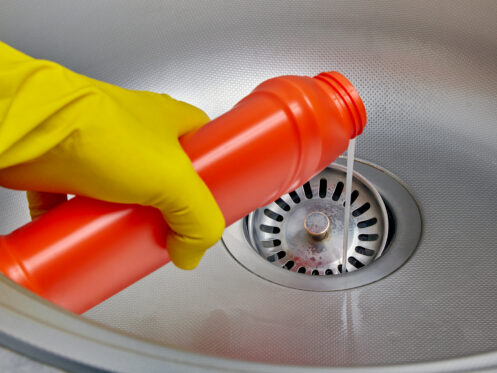
Chemical drain cleaners may dissolve some surface-level buildup, but they cannot fix deep blockages. They may offer short-term relief while leaving the underlying cause intact. Repeated use of chemical cleaners can corrode pipes and weaken joints over time.
Hope Plumbing, Heating and Cooling uses non-invasive methods to clear drains instead of relying on harsh chemicals. Motorized augers and professional rooter services can break through solid obstructions, while hydro jetting scours the inside of the pipe. These professional methods clear stubborn buildup while protecting your plumbing.
When to Call a Plumber
Contact a plumber when drain problems go beyond a single slow fixture. Recurring clogs, multiple slow drains, backups into other fixtures, and sewage smells all warrant professional diagnosis. Any signs of sewer line trouble in the yard demand attention before conditions worsen.
Hope Plumbing, Heating and Cooling offers sewer line camera inspections that show exactly what happens inside your drain and sewer lines. Our plumbers identify the problem, explain your options, and recommend the most effective solution. We give multiple options so you can choose what fits your home and your situation.
Camera inspections matter because they take the guesswork out and replace it with certainty. Instead of treating every clog the same, our plumbers can check for roots, grease, cracks, offset joints, or collapsed sections. That diagnosis helps us match the repair to the real problem.
Do Not Ignore Persistent Drain Problems
Drain problems that persist, spread to multiple fixtures, produce odors, or return after clearing are more than a simple clog. These patterns often point to deeper blockages, pipe damage, root intrusion, or venting failures. Waiting for a backup or pipe failure can cost far more than an inspection.
Hope Plumbing, Heating and Cooling is a family-owned plumbing, HVAC, and electrical company based in Indianapolis. We specialize in older homes and use camera inspections, hydro jetting, and rooter services to find the source. Once we know what caused the blockage, we can recommend cleaning, repair, or replacement without pushing the wrong solution.
Contact Hope Plumbing, Heating and Cooling today to schedule a drain inspection or plumbing service in Indianapolis.