
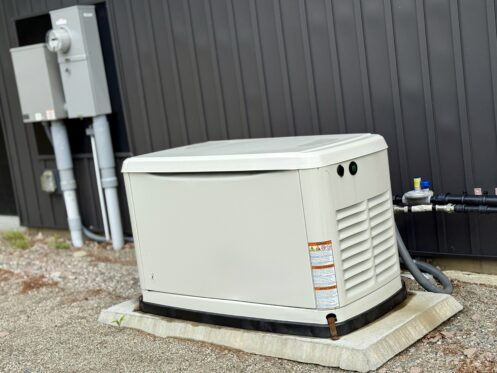
Electricity is crucial for safety, comfort, and convenience. Among its many benefits, it allows HVAC systems to function properly and communication systems to remain operational. Power outages can wreak havoc on safety and daily routines. This could result in potentially dangerous, costly, and uncomfortable disruptions, especially if the heating or cooling system goes out. Backup generators reduce these risks, helping you to stay safe, comfortable, and connected even when the surrounding area has no power. Understanding how generators operate and their many benefits could help you decide whether one is ideal for your home.
Common Causes of Power Outages and Their Impact
Power outages can happen for many reasons, including severe weather, falling tree branches, infrastructure damage, human error, and grid failures. The worst part is there’s no telling whether it’s a short-term or long-term outage. Even if you receive an estimate from the utility company, it could take longer than you expect for power to return. Home backup generators mean you don’t have to wait for relief because you already have preventive measures in place.
It’s easy to forget how reliant everyone is on electricity until an outage happens. Security alarms, HVAC systems, refrigerators, medical devices, and deep freezers are just some of the items that need power. Numerous issues could happen if they can’t work properly. For example, medical devices may fail, refrigerated medication could go bad, and food might be thrown out. Backup generators are power outage solutions that give you peace of mind and help you feel safe and comfortable. Although they involve an initial upfront cost, they may help you save significantly in the long run. This is especially the case if you live in an area with frequent outages.
How Backup Generators Work
One of the biggest benefits of standby generators with an automatic transfer switch is that, unlike portable generators, they kick on automatically. You don’t have to do anything manually to turn them on, which is particularly helpful if outages occur while you’re not home. This is especially important if health-compromised individuals, seniors, or pets are home alone during an outage. When utility power returns, the backup generator automatically switches your home back to the grid.
There are other differences between standby and portable generators. For starters, the former, as long as it’s the proper size, can power your entire home. Portable options provide minimal power, usually only enough to run a few items simultaneously. Additionally, backup generators are usually in the backyard on a concrete pad. Since they’re outdoors and several feet from the home, this significantly reduces the carbon monoxide risk. Hooked up to your existing fuel line, they usually run on propane or natural gas. Portable generators need to be relatively close to what they’re powering, which means they may be in areas like a garage or a porch. Depending on positioning, there may be carbon monoxide risks. They usually run on gasoline, requiring you to keep enough fuel on hand to operate throughout the power outage.
Backup generators can run for an extended time without manual intervention. In some cases, they may be able to run for weeks. Portable generators usually run for several hours per tank and require frequent refueling.
What a Backup Generator Can Power During an Outage
When a whole-home backup generator is the correct size for your house, it can power all the electrical items that you typically use. This can include security systems, the refrigerator, lights, medical devices, and your HVAC system. Planning and correct sizing are crucial according to your home’s standard electrical load. However, there’s also the option for partial-load coverage. This means that you choose the most essential items for the generator to power. For example, it may mean skipping the washing machine, range, and dishwasher but powering the furnace. Determining what’s a must during a power outage can help decide which option is best for your home.
Safety, Maintenance, and Installation Considerations
It’s vital to choose a professional electrician who can install the backup generator safely and accurately. Carbon monoxide and ventilation safety are paramount. The setup must adhere to all safety standards as well as local codes and regulations.
Routine maintenance can help ensure that your backup generator functions optimally and safely. We recommend annual maintenance so that our team can check everything from battery health to the wiring.
When a Backup Generator Is Worth the Investment
There’s a high upfront cost associated with buying and installing a backup generator. However, many homeowners feel it’s worth it for many reasons, especially in areas prone to frequent or extended outages. It offers peace of mind and long-term protection for your home, safety, and well-being. You also don’t have to deal with the stress and hassle of dealing with a portable generator. Additionally, you won’t have to think about temporarily uprooting your life to stay in a hotel or elsewhere that has full power. You can remain comfortably at home with the appropriate power you need and want.
If you work remotely, having reliable backup power ensures you won’t have to miss one or more work days. Additionally, you can count on your HVAC system running as expected, which is especially great during scorching summer days or freezing winter nights.
Whole-home generators are certainly worth the investment if you have health-compromised individuals in the home. For instance, if there’s someone in your home who uses a ventilator or a dialysis machine, the backup power keeps these essential machines running. It also keeps refrigerated pet and human medication at a proper temperature. Additionally, you can rest assured that your pets will be safe at home during the outage, particularly during periods of extreme winter or summer temperatures.
If you buy perishable food in bulk, a backup generator could save you a huge amount of money in the short and long term, especially during extended outages. Food can stay safe for only about four hours in a refrigerator without power as long as the door remains closed. When you have dependable backup power, you don’t have to worry about throwing out and replacing costly foods.
Stay Powered, Protected, and Prepared
Whole-home backup generators help keep you safe, comfortable, and happy during power outages, both short and long. They’ll keep your home’s systems functioning as usual without disruption to your daily routine. Our highly trained electricians at Hope Plumbing, Heating and Cooling have extensive experience installing these systems in homes throughout Indianapolis and beyond. Taking proactive steps now ensures you won’t be left in the cold (or heat!) if an outage occurs, resulting in an emergency situation. Contact us now for more information and to schedule a backup generator consultation.