Furnace Installation in Fishers, IN
Up to $2,000 Furnace Buyback Offer
"Hope has always done a fabulous job. I've had them out for multiple repairs, all of which were completed quickly and well. So well that I became member, in fact. Would recommend them for any of your plumbing needs. And highly recommend if you have an older home like mine."
Why Choose Hope Plumbing, Heating and Cooling?
Hope Plumbing, Heating and Cooling provides trusted HVAC services in Fishers and the surrounding Indianapolis area, helping homeowners stay comfortable with high-quality furnace installation and replacement. Our team takes pride in delivering dependable service, expert workmanship, and a smooth installation experience. In many cases, we can install a replacement furnace in as little as one day, helping you restore heat quickly with minimal disruption.
Reasons why homeowners choose us in Fishers:
- Locally owned and operated
- Highly trained furnace installation technicians
- Fast, hassle-free furnace replacement (often completed in one day)
- Comprehensive system sizing and home assessments
- Flexible financing options available through GreenSky (on approved credit)
Furnace Replacement Company in Fishers
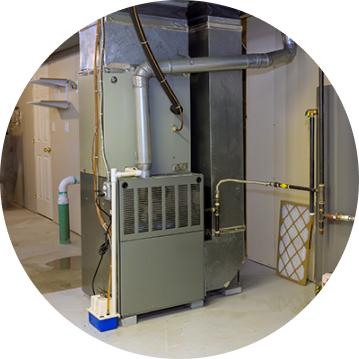
Most furnaces last between 15 and 20 years, but age alone is not the only reason to consider a replacement. Older systems tend to work harder to heat your home, which increases energy usage and utility bills. They may also become more prone to breakdowns or require frequent repair visits. Noisy operation, visible damage, and uneven heating throughout the home are all common signs that your system may be reaching the end of its life.
Newer models offer greater efficiency and improved comfort. Furnaces with high AFUE (Annual Fuel Utilization Efficiency) ratings convert more fuel into usable heat, which means lower monthly heating costs and a smaller environmental impact. Variable-speed blower motors help maintain consistent temperatures from room to room while reducing system noise. These systems also include better filtration and airflow design, helping to reduce allergens, dust, and pollutants circulating through your home.
Safety is another benefit of modern heating systems. Older furnaces are more likely to develop issues such as carbon monoxide leaks. New systems feature advanced safety controls, including automatic shut-off and flame detection mechanisms. In addition to improving daily comfort, these features can increase your home’s value and help protect your family during cold weather months.
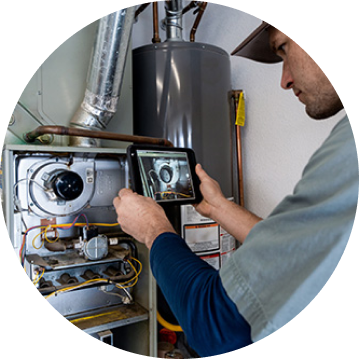
Our installation process begins with a full evaluation of your home. We consider square footage, insulation, existing ductwork, and your typical heating usage. This helps us select a properly sized furnace that operates efficiently without overworking. On installation day, we remove your old system, inspect and adjust gas lines and electrical components if needed, and install the new unit. We finish the job with a full safety inspection and functionality test. After everything is complete, we clean the work area and remove the old equipment.
Watch for the warning signs that let you know it’s time for a furnace replacement:
- Furnace is more than 15 years old
- Rising energy bills
- Frequent or costly repairs
- Unusual noises or odors
- Uneven temperatures or cold spots
- Poor airflow or reduced output
- Short cycling or system running constantly
Your Local Furnace Installation Specialist
Hope Plumbing, Heating and Cooling is here to help with every step of your furnace replacement in Fishers. From model selection to expert installation, we focus on delivering long-term comfort and reliable performance. We treat every home with care and provide solutions tailored to your needs. Our commitment to quality service and straightforward recommendations has helped us earn the trust of homeowners across the area.
Call Hope Plumbing, Heating and Cooling now to schedule furnace installation services in Fishers. You can also count on us for assistance with AC replacement, as well as heating repair and HVAC maintenance services.
Request A Service