Furnace Installation in Carmel, IN
Up to $2,000 Furnace Buyback Offer
"Hope has always done a fabulous job. I've had them out for multiple repairs, all of which were completed quickly and well. So well that I became member, in fact. Would recommend them for any of your plumbing needs. And highly recommend if you have an older home like mine."
Why Choose Hope Plumbing, Heating and Cooling?
Homeowners choose Hope Plumbing, Heating and Cooling because we offer a wealth of services in one place, so you only ever have one number to call. We’re experts in general HVAC and plumbing services, and we also offer specialist services such as sump pump installation, hydrojetting, excavation, and smart thermostat installation. We can also help improve your indoor air quality with solutions customized for your home’s needs. Whatever you need, we’ll align our services accordingly and ensure you are completely satisfied with the results.
Some reasons why homeowners choose us in Carmel include:
- Custom system sizing based on home layout and needs
- Installation of high-efficiency and advanced furnace models
- Financing options available on approved credit
Honest, Dependable Furnace Replacement
Replacing an aging furnace before it fails helps you avoid unexpected emergencies and restores consistent comfort throughout your home. Most furnaces last between 15 and 20 years, depending on maintenance and usage. Older units are more prone to safety issues, reduced efficiency, and poor heating performance. Rust buildup, worn sensors, and outdated safety features increase the risk of malfunctions or carbon monoxide leaks.
Signs that it’s time to start thinking about replacing your furnace:
- The furnace is more than 15 years old
- Rising monthly energy bills
- Inconsistent indoor temperatures
- Frequent repair calls or service visits
- Visible rust or wear on the unit
New furnace models offer a wide range of efficiency and performance upgrades. A standard single-stage furnace operates at full power all the time, which can lead to quicker wear and uneven heating. In contrast, two-stage and variable-speed models adjust output based on demand. These systems run at lower power more often, providing more consistent temperatures and longer operational life. They are also quieter and more energy-efficient.
Condensing furnaces offer even greater efficiency by extracting additional heat from exhaust gases. These models can be significantly more efficient than conventional systems, helping reduce your heating costs over time. Our team will explain the benefits of each type and help you determine which option best fits your comfort goals and budget.
Correct sizing is also essential. A furnace that is too large or too small will struggle to perform efficiently. Improper sizing can lead to short-cycling, increased energy use, and premature system failure. Our technicians use detailed assessments to match the furnace to your home’s square footage, insulation, and layout for the best results.
Furnace Installation Professionals in Carmel
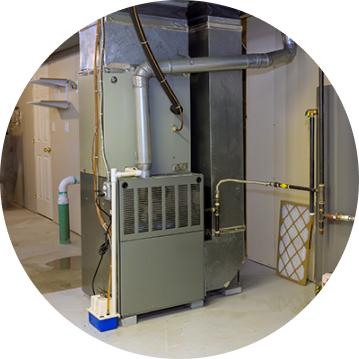
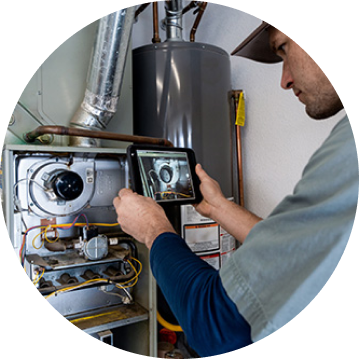
At Hope Plumbing, Heating and Cooling, we make the furnace installation process straightforward. After assessing your needs, we recommend the right size and model, complete a professional installation, and ensure everything operates safely and efficiently. We handle the removal of your old unit, make necessary adjustments to ductwork or utilities, and leave your home clean once the job is done.
Call Hope Plumbing, Heating and Cooling today to schedule your furnace installation in Carmel. We also offer expert service for AC replacement, as well as heating repair and HVAC maintenance.
Request A Service