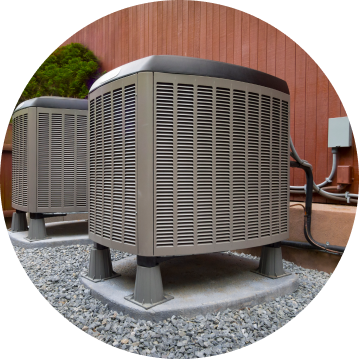
Our AC Installation and Replacement Services
Having a reliable home air conditioning system is an absolute necessity when the hot summer heat settles into Greenwood. It doesn’t matter if you have a ductless mini-split, a central air conditioner, or just a standard heat pump. We’re more than happy to install all different types of air conditioning systems and even replace your outdated unit with a new one.
Here are signs you need AC replacement.
- Uneven cooling
- High indoor humidity
- Frequent repairs
- Inadequate cooling
- Higher energy bills
- Unit over 15 years old
Complete AC System Replacement
As you find yourself calling more frequently for AC repairs, it may be time to consider upgrading your existing unit. In general, most central air conditioners and mini-splits will last for about 15 to 20 years. Heat pumps have a slightly shorter lifespan of about 10 to 15 years with proper care and upkeep. If your unit is getting near the end of its usable lifespan, replacing it sooner rather than later is best. When you schedule a replacement, you can do so at a time that’s most convenient for you and your budget.
New Air Conditioning Installation
If you’re ready to put air conditioning in your Greenwood home, you have a few different options to choose from. We install ductless mini-split systems, central air conditioners, and heat pumps. If you have existing ductwork for a furnace, you may want to consider installing a central air conditioner. If your home doesn’t have any existing ductwork, a ductless mini-split system can be the most cost-effective solution.
Energy-Efficient AC Upgrades
All residential air conditioning systems have an efficiency rating. This is known as a seasonal energy efficiency ratio, or SEER2 for short. The higher a unit’s SEER2 rating, the more energy efficient it is. This translates to lower utility bills for you throughout the long summer season. It’s also important to note that systems with a high efficiency do come at a higher upfront price. You should find the perfect balance of upfront cost compared to long-term energy savings when determining the appropriate system rating for your household.